Australian Senate Counting
A Bird's Guide
The Australian Senate uses a preferential and proportional election system to elect Senators from each Australian state and mainland territory. The technical name for this election system is the Single Transferable Vote.
Each state and territory holds their own election for the Australian Senate in which multiple candidates are elected to fill a number of available seats.
These elections are preferential—we rank parties and candidates from most to least preferred. They are also proportional in that the number of seats awarded to a party is in proportion to the number of votes they receive.
Australia is not the only country to use the Single Transferable Vote...
The Bird Republic—a fictional island off the coast of north-east Australia—recently adopted the Single Transferable Vote to elect candidates to the upper house of its parliament, the Aviary.
The Aviary is a bicameral parliament with two houses. Its upper house—the Nest—has five seats up for election.
Australian Senate voting and counting rules are used for Nest elections. Our reporters have provided this account of the republic's most recent Nest election.
The Parties
Three parties are vying for seats: the City-dwellers; the Water-birds and the Raptors.
Meet the candidates: City-dwellers
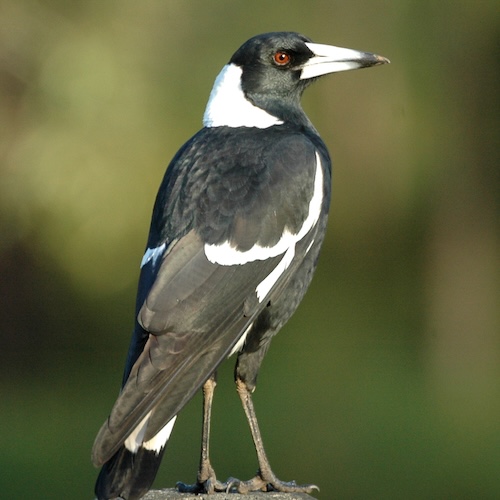
Magpie

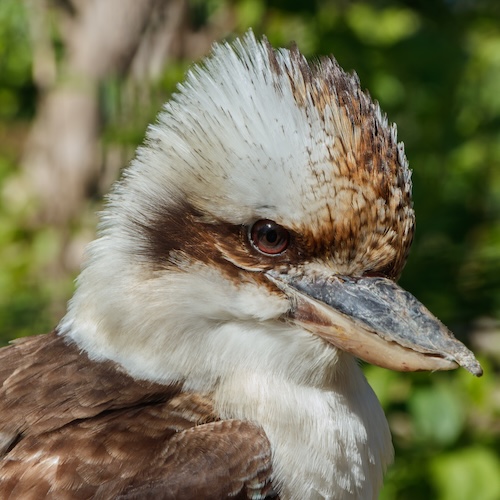
Kookaburra

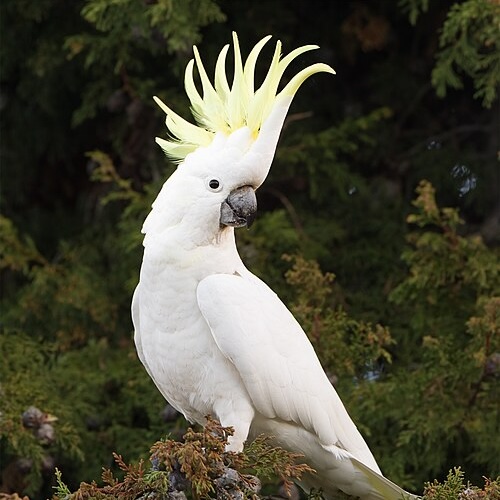
Sulfur-crested Cockatoo
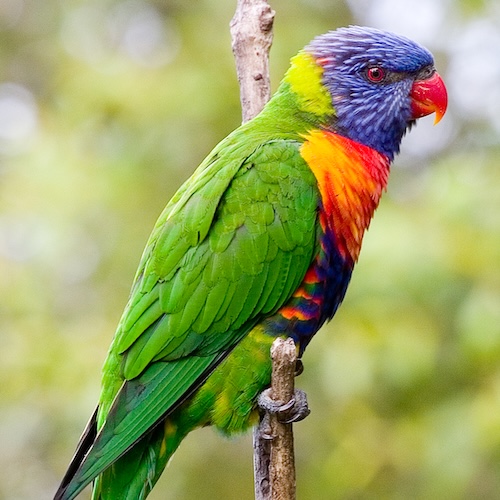
Rainbow Lorikeet
.jpg)
Meet the candidates: Water-birds
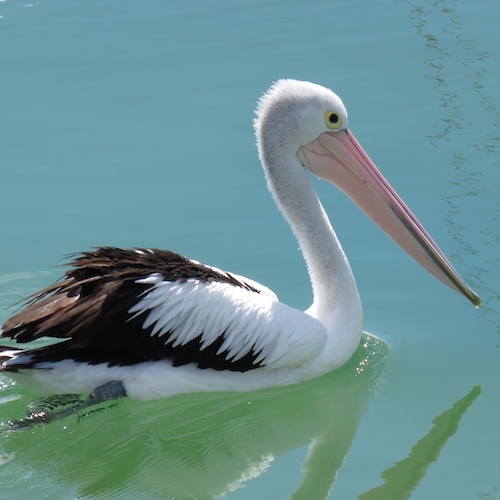
Pelican
_of_Jervoise_Bay_Boat_Harbour,_November_2021_05.jpg)
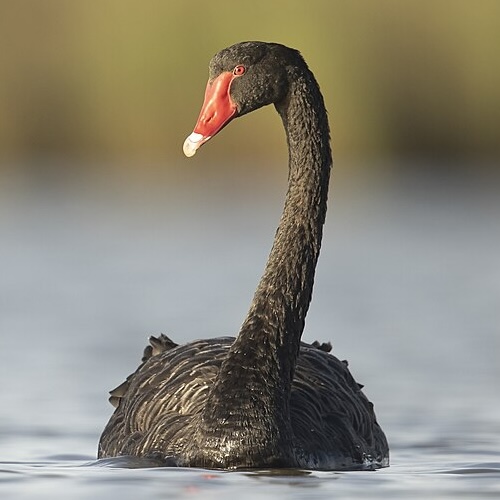
Black Swan

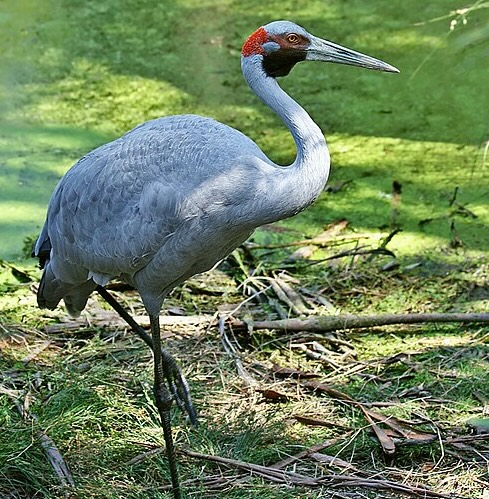
Brolga

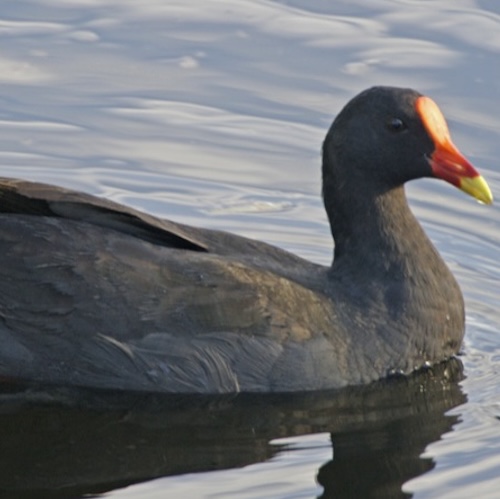
Dusky Moorhen
_-_Flickr_-_Lip_Kee.jpg)
Meet the candidates: Raptors
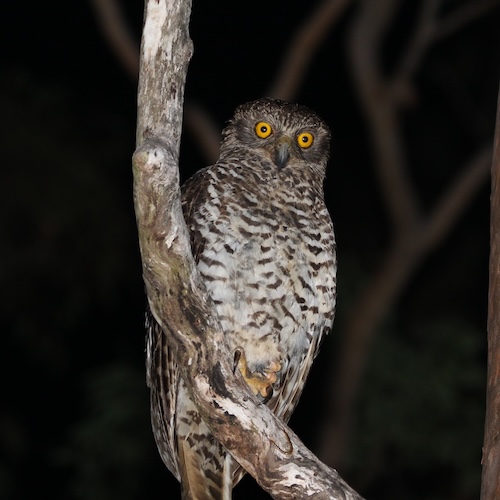
Powerful Owl

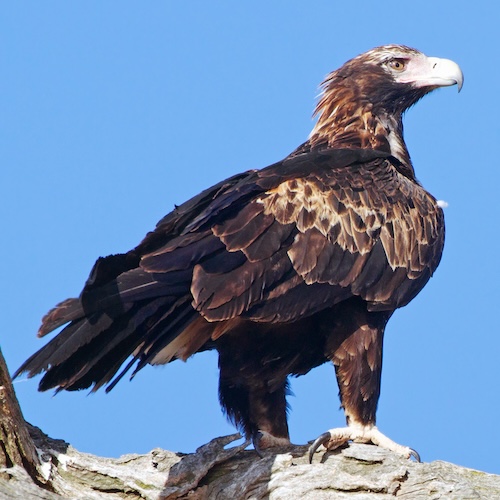
Wedge-tailed Eagle

The Ballot
Voters get the following ballot: one column per party, with each party's candidates listed in a fixed order.
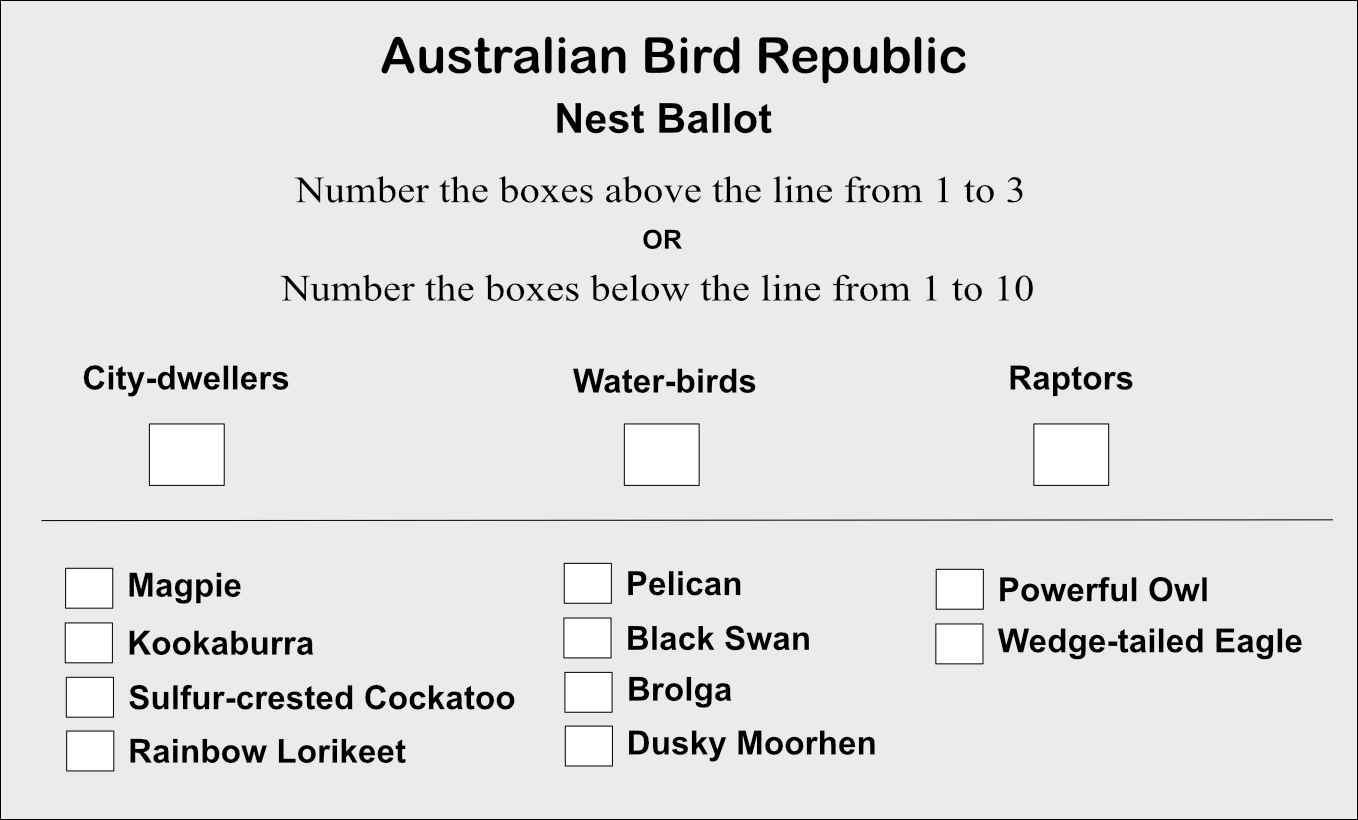
This arrangement of boxes above a line, next to parties, and boxes below a line, next to candidates, is the way Australian Senate ballots are designed.
There are two ways to fill it out. The first is to number the boxes above the line and the second to number the boxes below the line.
Voting above the line
Let's say a voter numbered the boxes above the line as shown below.
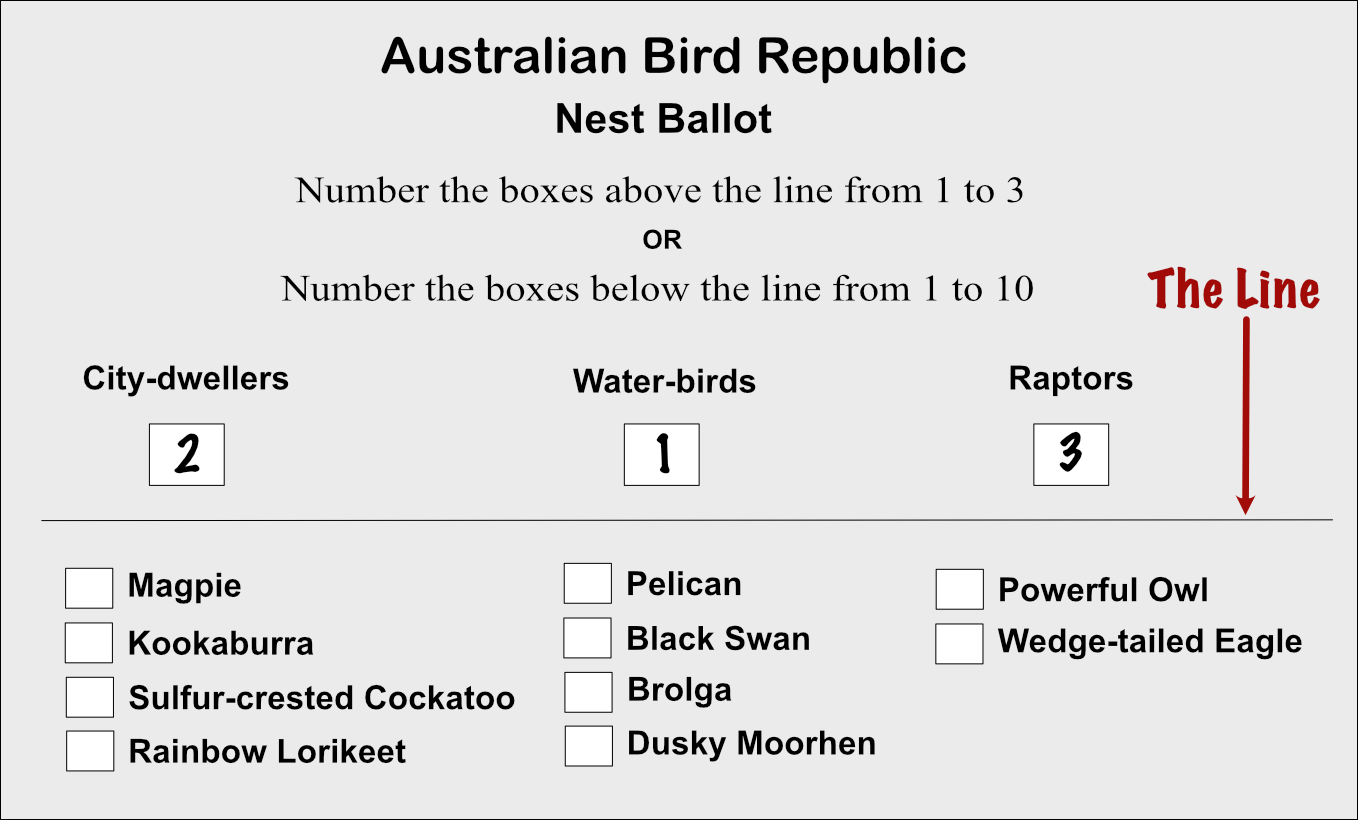
The voter prefers all candidates in the Water-birds party the most, then the City-dweller candidates, and then the Raptor candidates.
This ballot expresses the following preference ordering over the candidates.
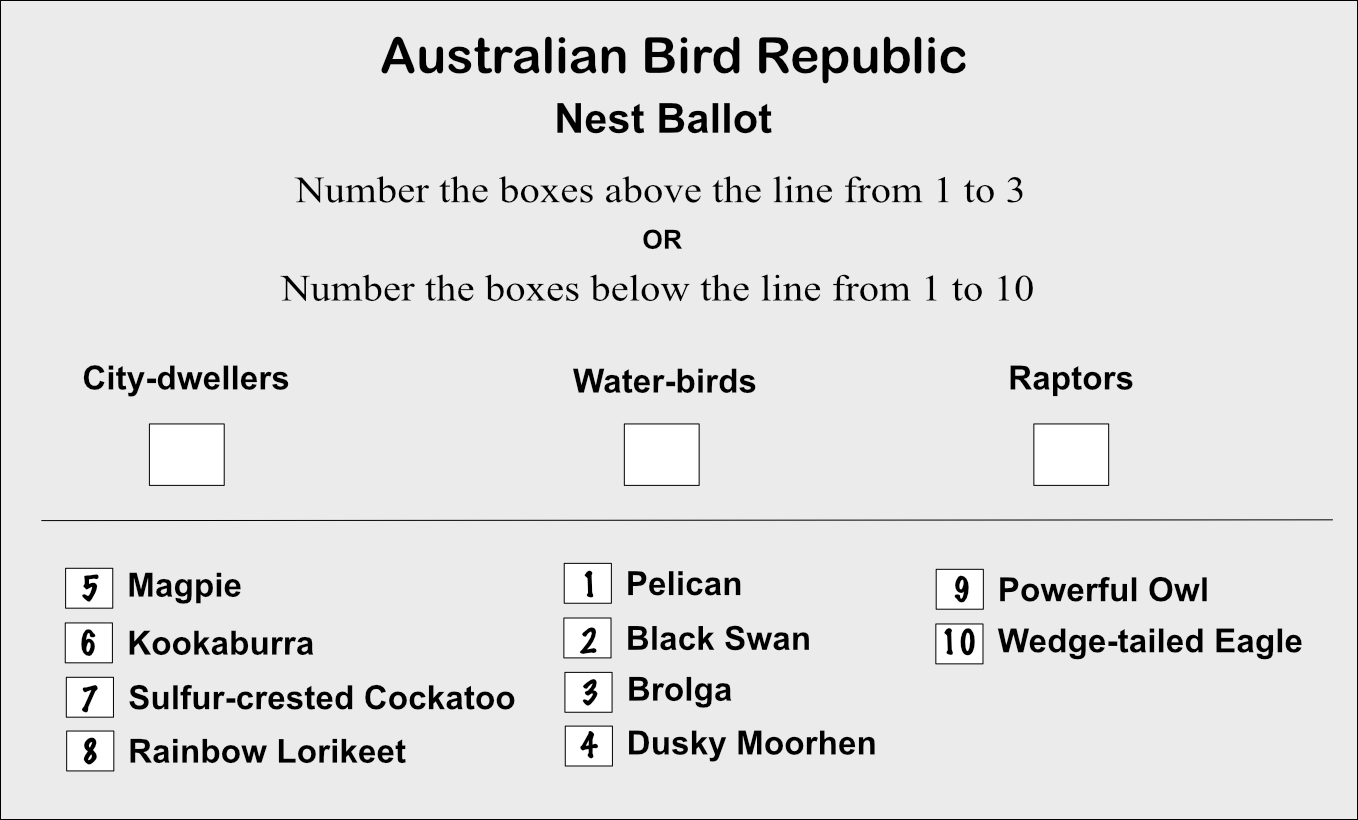
As the Water-birds have been ranked first above the line, the voter's first four preferences go to the Water-birds candidates in the order they are listed: the Pelican (first), the Black Swan (second), the Brolga (third), and the Dusky Moorhen (fourth). The City-dwellers are ranked second, so their candidates take the next four preferences: the Magpie (fifth), the Kookaburra (sixth), the Sulfur-crested Cockatoo (seventh), and the Rainbow Lorikeet (eighth). The Raptors' candidates take the last two: the Powerful Owl (ninth) and the Wedge-tailed Eagle (tenth).
Voting below the line
Sometimes, a voter might like certain candidates in a party better than others. They can express these preferences by voting below the line.
Here is an example of a below the line vote in the Nest election.
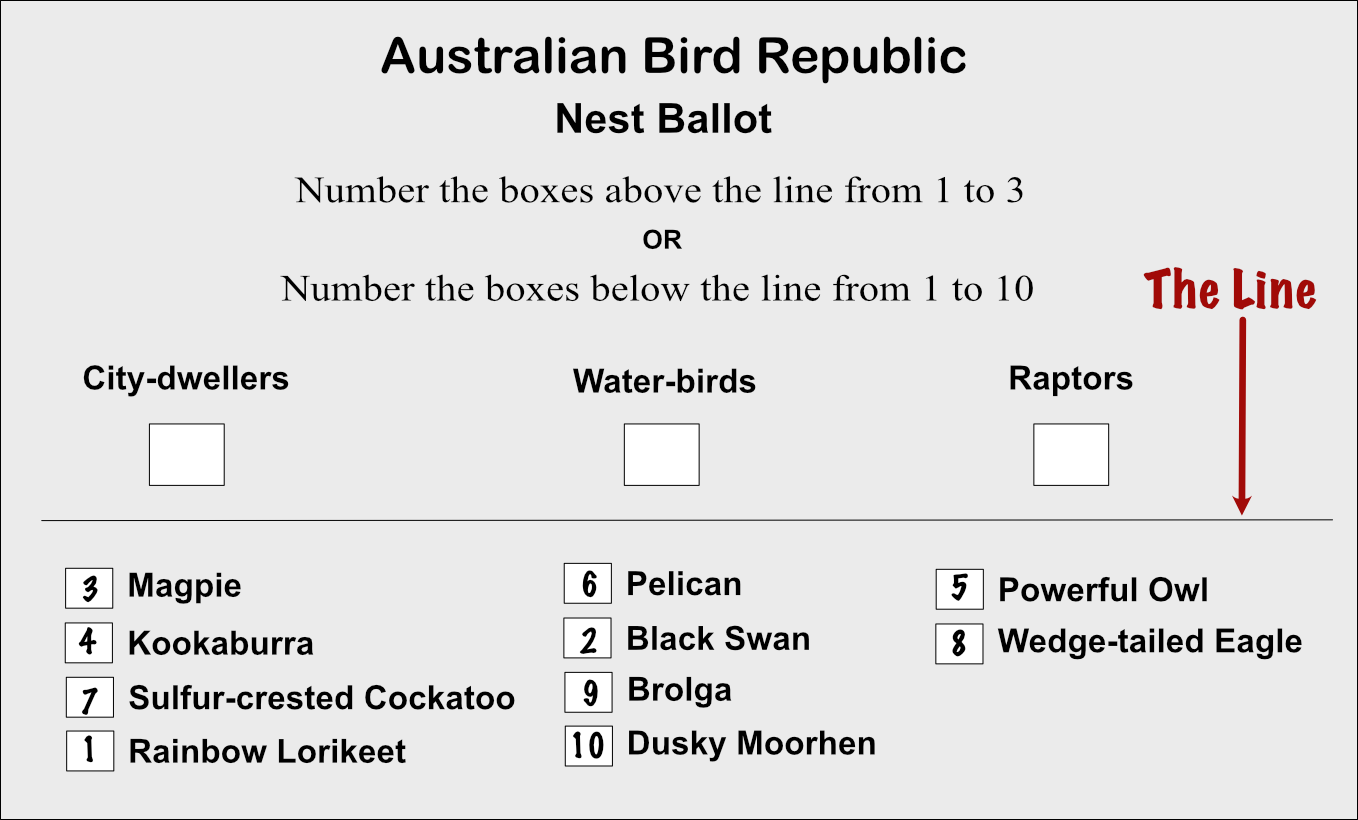
In the above ballot, the voter prefers the Rainbow Lorikeet from the City-dwellers the most out of all the candidates, and then the Black Swan from the Water-birds. The only way the voter can express these preferences is by numbering all the candidates below the line.
The voter has the following preference ordering over candidates, from most to least preferred: Rainbow Lorikeet; Black Swan; Magpie; Kookaburra; Powerful Owl; Pelican; Sulfur-crested Cockatoo; Wedge-tailed Eagle; Brolga; and then the Dusky Moorhen.
Election Day
On election day, 150 birds fill out their ballots for the Nest. All birds fill out their ballot correctly, and choose to vote above the line.
The table below shows every ranking that appeared on at least one of the ballots cast in this election (first column) and how many ballots were cast with each of these rankings (second column).
| Preference ranking | Number of ballots |
|---|---|
| City-dwellers then Water-birds then Raptors | 50 |
| Water-birds then City-dwellers then Raptors | 32 |
| Water-birds then Raptors then City-dwellers | 15 |
| City-dwellers then Raptors then Water-birds | 10 |
| Raptors then City-dwellers then Water-birds | 23 |
| Raptors then Water-birds then City-dwellers | 20 |
The Count
Counting the votes in a Single Transferable Vote election involves a number of steps.
The first key concept to understand is that of the quota. The quota for the five-seat Nest election is 26 votes.
What is a quota?
The quota of a Single Transferable Vote election is a threshold. It is the number of votes that a candidate needs to have to get a seat (i.e., to be one of the winners).
The quota can be calculated in different ways, but the most common approach, and the one we use for Australian Senate and Nest elections is shown below.
Quota = Total number of valid ballots 1 + number of seats to fill Rounded Down + 1
Divide the valid ballots by one more than the number of seats, round down, and add one. For the Nest: 150 divided by 6 equals 25, plus one—a quota of 26.
Now that we have the quota, the next step is to establish the initial tallies for each candidate.
When a voter has numbered candidates below the line, we put the ballot in the tally pile of the candidate who has been ranked first, with a number '1' in their box.
But how does this work when voters have ranked parties above the line? Who do these ballots belong to?
Let's look at one of the ballots that was cast in our election.
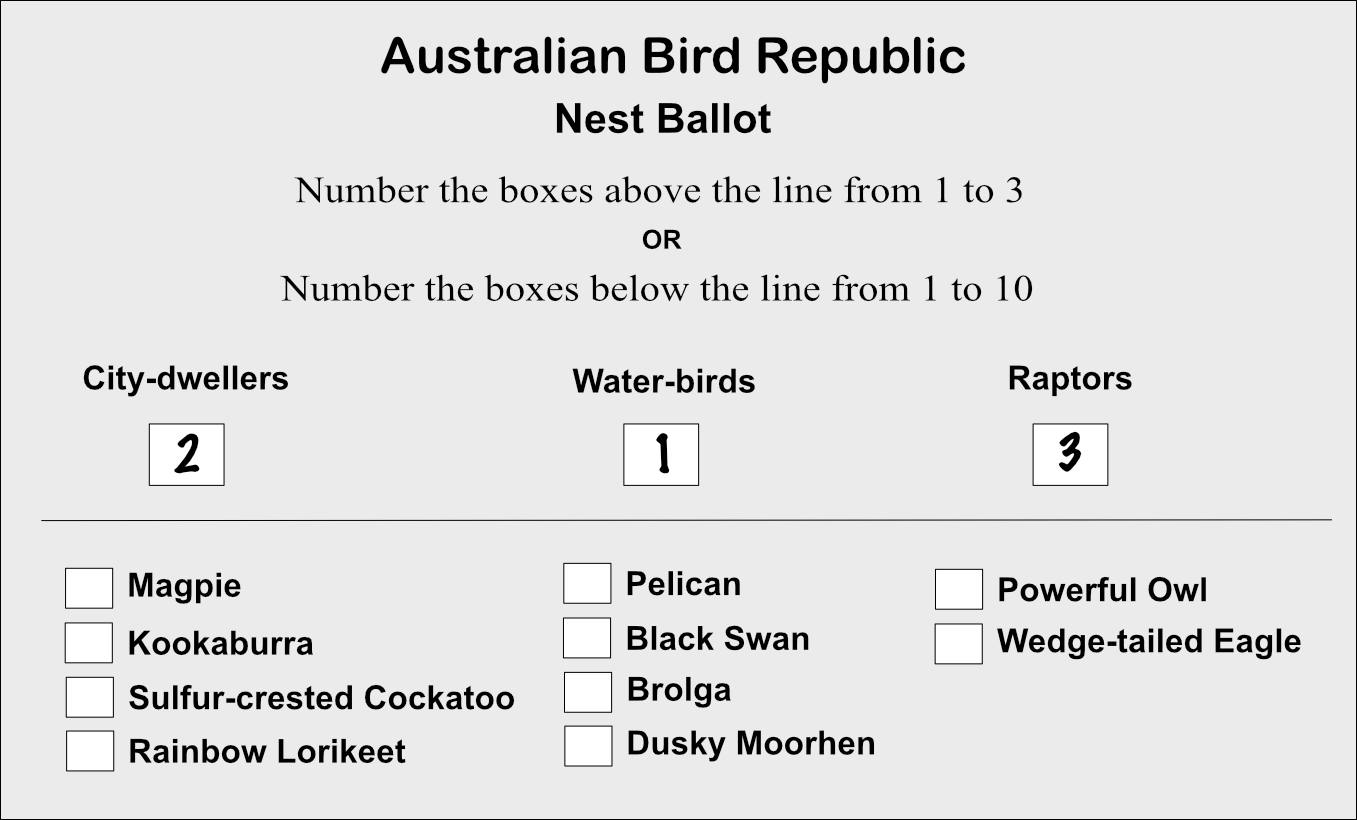
At the start of counting, an above the line ballot belongs to the tally pile of the first listed candidate in the party that has been ranked first with a number 1 in its box.
This means the ballot above will initially be placed in the tally pile of the Pelican, as they are the first listed candidate in the most preferred party, the Water-birds.
Step One: Initial Tallies
Give each ballot containing a below the line vote to the candidate who is ranked first on the ballot, with a number '1' in their box.
Give each ballot containing an above the line vote to the first listed candidate in the party that has been ranked first on the ballot, with a number '1' in its box.
Each ballot is worth one vote, and the number of ballots in a candidate's tally pile is their initial tally.
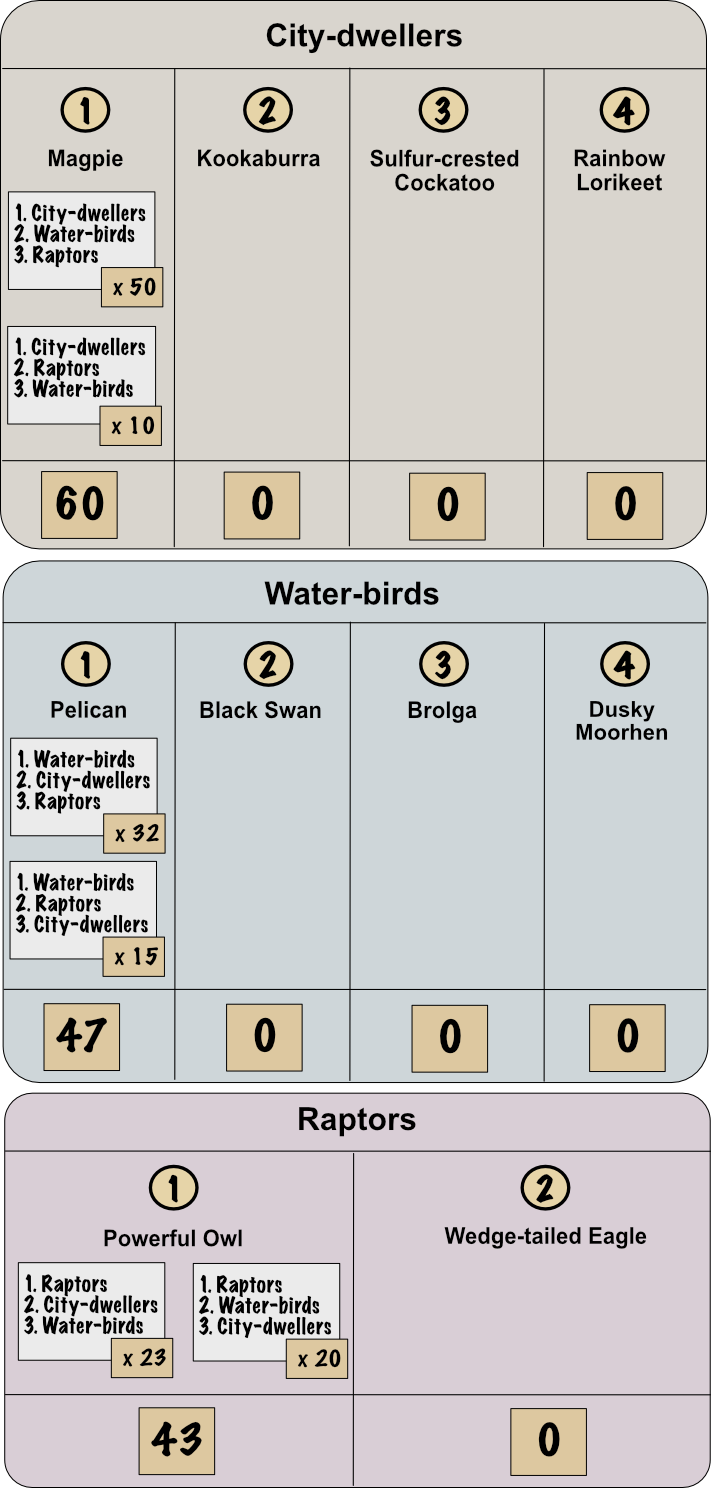
Text-based explanation of candidate tallies
The 50 ballots that prefer the City-dwellers first, the Water-birds second, and the Raptors third, are placed in the Magpie's tally pile, along with the 10 ballots that prefer the City-dwellers first, the Raptors second, and the Water-birds third. As each ballot is worth one vote, the Magpie has 60 votes in their tally. The other City-dweller candidates, the Kookaburra, Sulfur-crested Cockatoo, and Rainbow Lorikeet, have no votes in their tally.
The Pelican, as the first listed Water-bird, is given the 32 ballots that rank the Water-birds first, the City-dwellers second, and the Raptors third, along with the 15 ballots that rank the Water-birds first, the Raptors second, and the City-dwellers third.
The Pelican has 47 votes in their tally, while the Black Swan, Brolga, and Dusky Moorhen have no votes in their tallies.
The Powerful Owl, as the first listed Raptor, is given the 23 ballots that rank the Raptors first, the City-dwellers second, and the Water-birds third, along with the 20 ballots that rank the Raptors first, the Water-birds second, and the City-dwellers third.
The Powerful Owl has 43 votes in their tally, while the Wedge-tailed Eagle has no votes in their tally.
Now that we have initial tallies for our candidates, we can explain the two key steps that we repeat throughout the rest of the counting process.
Step Two: Seating
Seat all candidates whose tallies are equal to or greater than the quota. These candidates are winners.
Adjust the value of the ballots in the tally pile of each winner, and give those ballots, with their new values, to the next highest ranked eligible candidate on the ballot.
A candidate is eligible to receive votes if they have not been seated or removed from the contest, and their tally is less than the quota.
What do we mean by adjusting the value of a ballot? And how do we work out who the next highest ranked candidate is? We will answer both questions shortly.
The first candidate in each of the three parties have tallies that are greater than the quota of 26 votes. According to Step Two, we give the first three of the five available seats to the Magpie, the Pelican, and the Powerful Owl.
We will seat these candidates in order of their tally, from highest to smallest.
Seating the Magpie, Pelican, and Owl
The Magpie has 60 votes in their tally, but only 26 of those are needed to get them elected.
What should we do with the other 34 votes? We are going to pass them on to their next highest ranked eligible candidate.
Who is the next highest ranked eligible candidate?
Let's look at one of the ballots in the Magpie's tally pile. It ranks the City-dwellers first, the Water-birds second and the Raptors third. It reads: Magpie, then Kookaburra, then Sulfur-crested Cockatoo, then Rainbow Lorikeet, and then the candidates of the other two parties.
We move down this list, starting just below the Magpie, until we find a candidate who is eligible—still in the contest, and without a quota. That candidate is the Kookaburra. If the Kookaburra had already been seated or removed, we would keep going down the list.
But how do we decide which votes to pass on?
We will pass all the ballots on, but will change how much they are worth so that the total value of the Magpie's tally pile becomes 34 votes.
When a candidate is seated, we work out the new value of each of the ballots in their tally pile.
New value of each ballot = Candidate's Tally − Quota Number of ballots in Candidate's Tally
The Magpie has a tally of 60 votes, and 60 ballots in their tally pile. The new value of each of these 60 ballots is reduced to 3460 (≈ 0.5667) votes. This value is called a transfer value.
New value of each ballot = 60 − 26 60 = 34 60
The Kookaburra is the next highest ranked candidate on all the Magpie's ballots. So, each of the Magpie's reduced-value ballots go to the Kookaburra.
All 60 of the Magpie's ballots go to the Kookaburra, so the total value moving across is 60 × 3460 = 34 votes exactly. No rounding is required here.
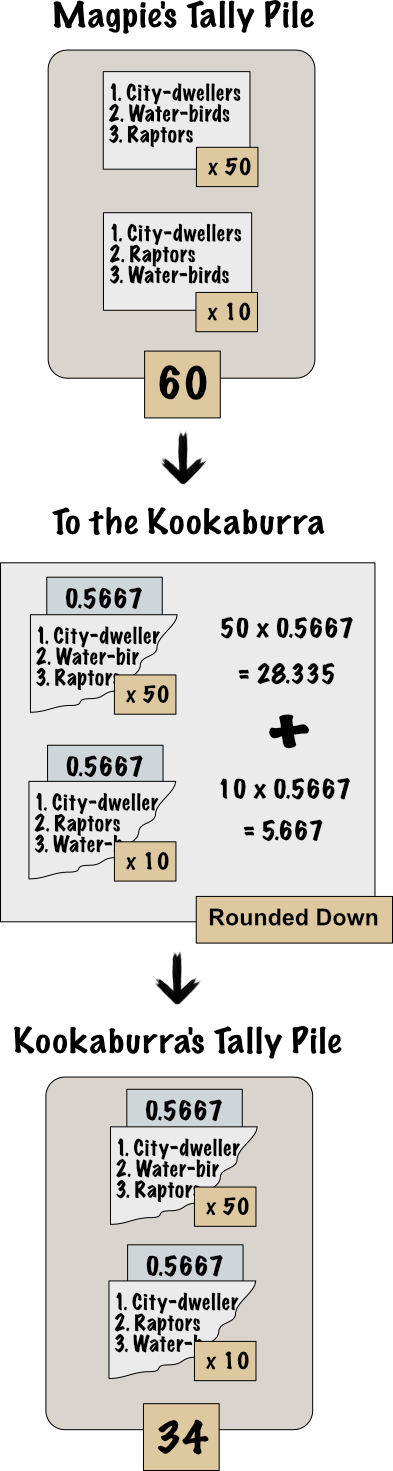
Now that we have stepped through what happens when a candidate is seated, let's look at what happens when the Pelican and Powerful Owl are seated.
Seating the Pelican
The Pelican has 47 votes in their tally—a surplus of 21 votes—so we adjust the value of their ballots.
New value of each ballot = 47 − 26 47 = 21 47
Each of the Pelican's ballots is now worth 2147 (≈ 0.4468) votes. There are two types of ballots in their pile, but the Black Swan is the next most preferred candidate on all of them.
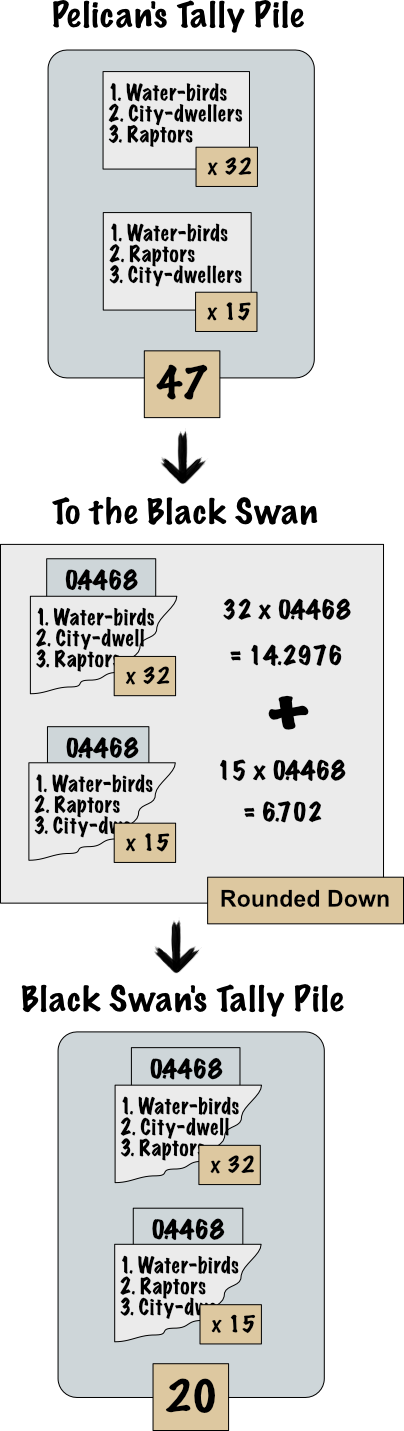
The Black Swan had no votes in their tally pile. Once the Pelican is seated, the Black Swan receives all 47 of the Pelican's ballots:
- 32 ballots ranking the Water-birds first, the City-dwellers second, and the Raptors third; and
- 15 ballots ranking the Water-birds first, the Raptors second, and the City-dwellers third.
Together these are worth 47 × 2147 = 21 votes—the Black Swan's new tally.
Seating the Powerful Owl
The Powerful Owl has 43 votes in their tally—a surplus of 17 votes—so we adjust the value of their ballots.
New value of each ballot = 43 − 26 43 = 17 43
Each of the Powerful Owl's ballots is now worth 1743 (≈ 0.3953) votes. There are two types of ballots in their pile, but the Wedge-tailed Eagle is the next most preferred candidate on all of them.
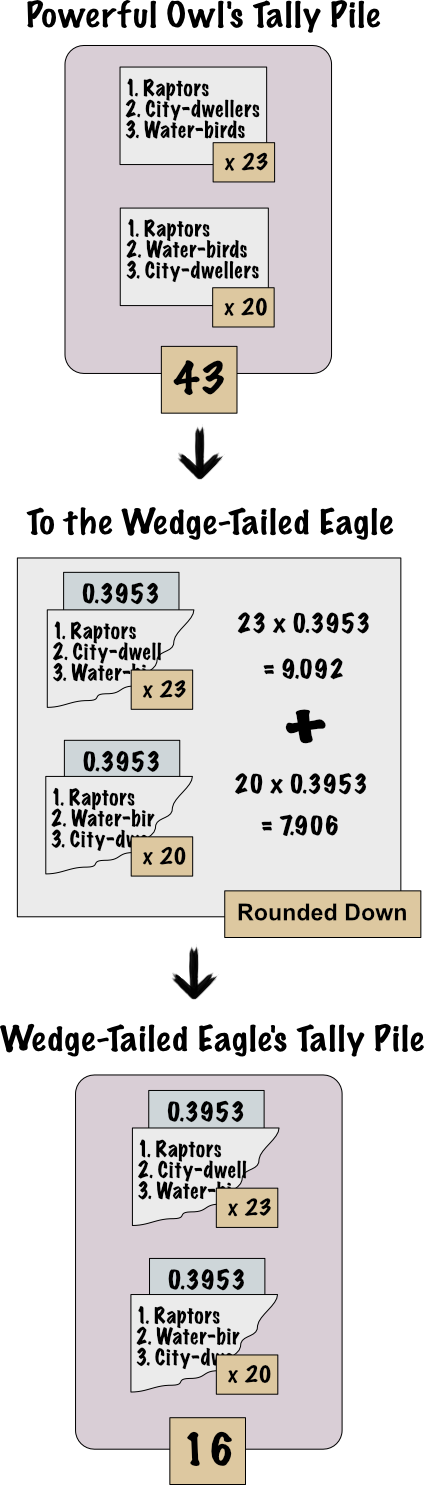
The Wedge-tailed Eagle had no votes in their tally pile. Once the Powerful Owl is seated, the Wedge-tailed Eagle receives all 43 of the Owl's ballots:
- 23 ballots ranking the Raptors first, the City-dwellers second, and the Water-birds third; and
- 20 ballots ranking the Raptors first, the Water-birds second, and the City-dwellers third.
Together these are worth 43 × 1743 = 17 votes—the Wedge-tailed Eagle's new tally, the whole of the Owl's 17 vote surplus.
Let's take a look at the candidates' tallies after these three seatings.
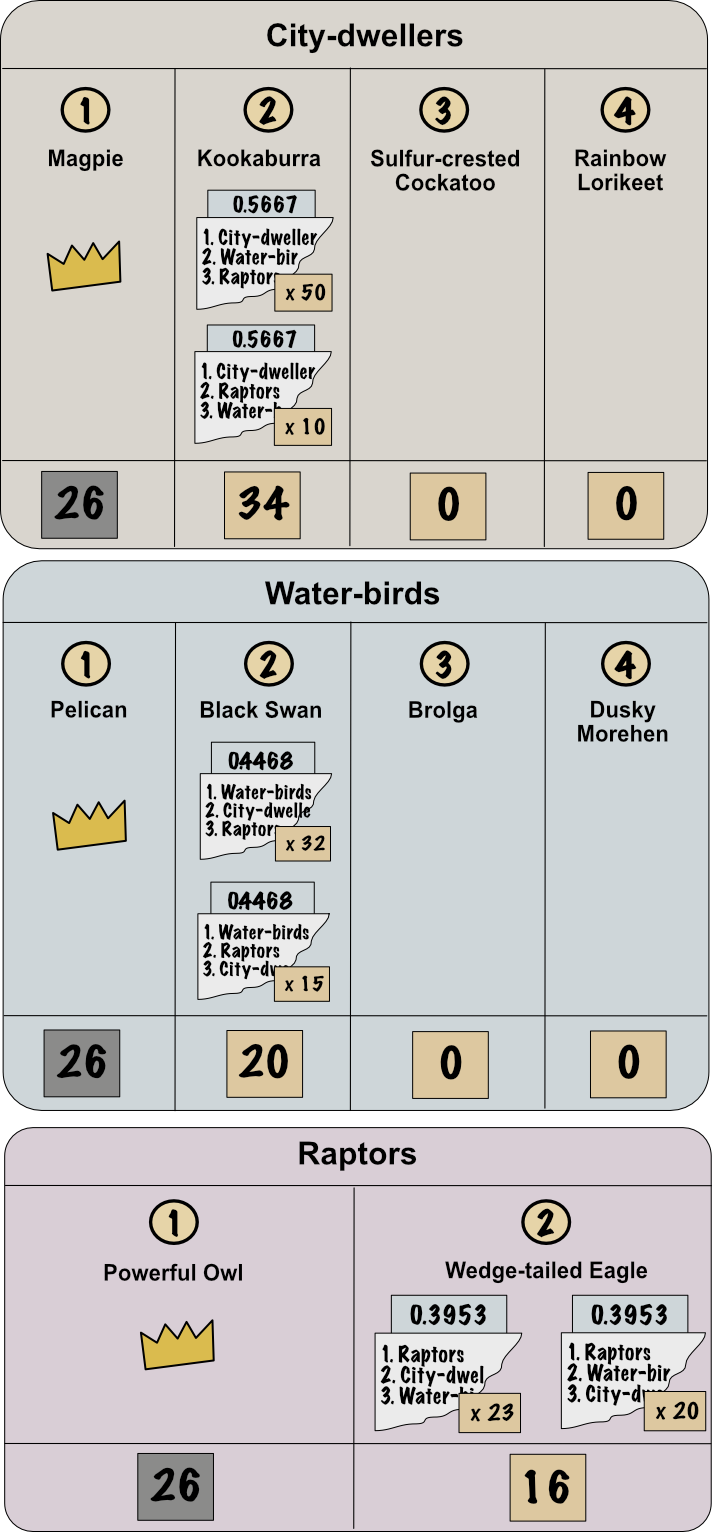
Text-based description of candidate tallies
There are now 60 ballots in the Kookaburra's tally pile with a total value of 34 votes. The Kookaburra now owns the 50 ballots ranking the City-dwellers first, the Water-birds second and the Raptors third, and the 10 ballots ranking the City-dwellers first, the Raptors second, and the Water-birds third.
There are now 47 ballots in the Black Swan's tally pile with a total value of 21 votes. The Black Swan now owns the 32 ballots ranking the Water-birds first, the City-dwellers second, and the Raptors third, as well as the 15 ballots ranking the Water-birds first, the Raptors second, and the City-dwellers third.
There are now 43 ballots in the Wedge-tailed Eagle's tally pile with a total value of 17 votes. The Wedge-tailed Eagle now owns the 23 ballots ranking the Raptors first, the City-dwellers second and the Water-birds third, as well as the 20 ballots ranking the Raptors first, the Water-birds second and the City-dwellers third.
There are now two seats left to fill. When seating the Magpie, enough votes were transferred to the Kookaburra to give them more than 26 votes.
We now repeat Step Two until we either fill up the 5 seats, or there is no candidate with a quota in their tally pile.
Seating the Kookaburra
The Kookaburra has 34 votes and 60 ballots in their tally pile. Their surplus is 8 votes. We seat the Kookaburra and work out the new value for each of the ballots in their pile.
New value of each ballot = 34 − 26 60 = 8 60
The new value of each ballot is the Kookaburra's surplus (8 votes) divided by the number of ballots in their pile (60)—that is, 860 (≈ 0.1333) votes each.
All the ballots in the Kookaburra's tally pile have the Sulfur-crested Cockatoo as the next most preferred candidate.
Each time a candidate is seated, all their ballots move on to the next listed candidate in their party. This is because everyone voted above the line in this election.
The Kookaburra's ballots are given to the Sulfur-crested Cockatoo at a value of 860 votes each. As every one of the 60 ballots goes to the same candidate, the Cockatoo receives the Kookaburra's full surplus of 8 votes.
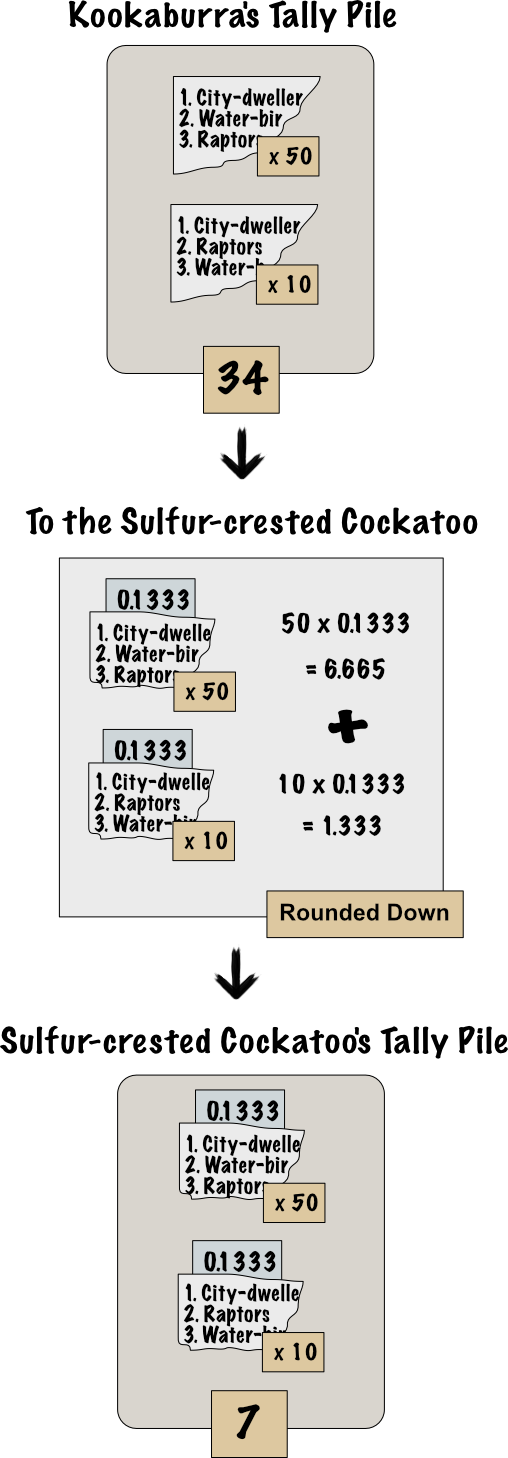
The Sulfur-crested Cockatoo had no votes in their tally pile. Once the Kookaburra is seated, the Sulfur-crested Cockatoo receives all 60 of the Kookaburra's ballots:
- 50 ballots ranking the City-dwellers first, the Water-birds second, and the Raptors third; and
- 10 ballots ranking the City-dwellers first, the Raptors second, and the Water-birds third.
Together these are worth 60 × 860 = 8 votes—the Sulfur-crested Cockatoo's new tally.
Let's see what the tallies of all of our candidates look like now.
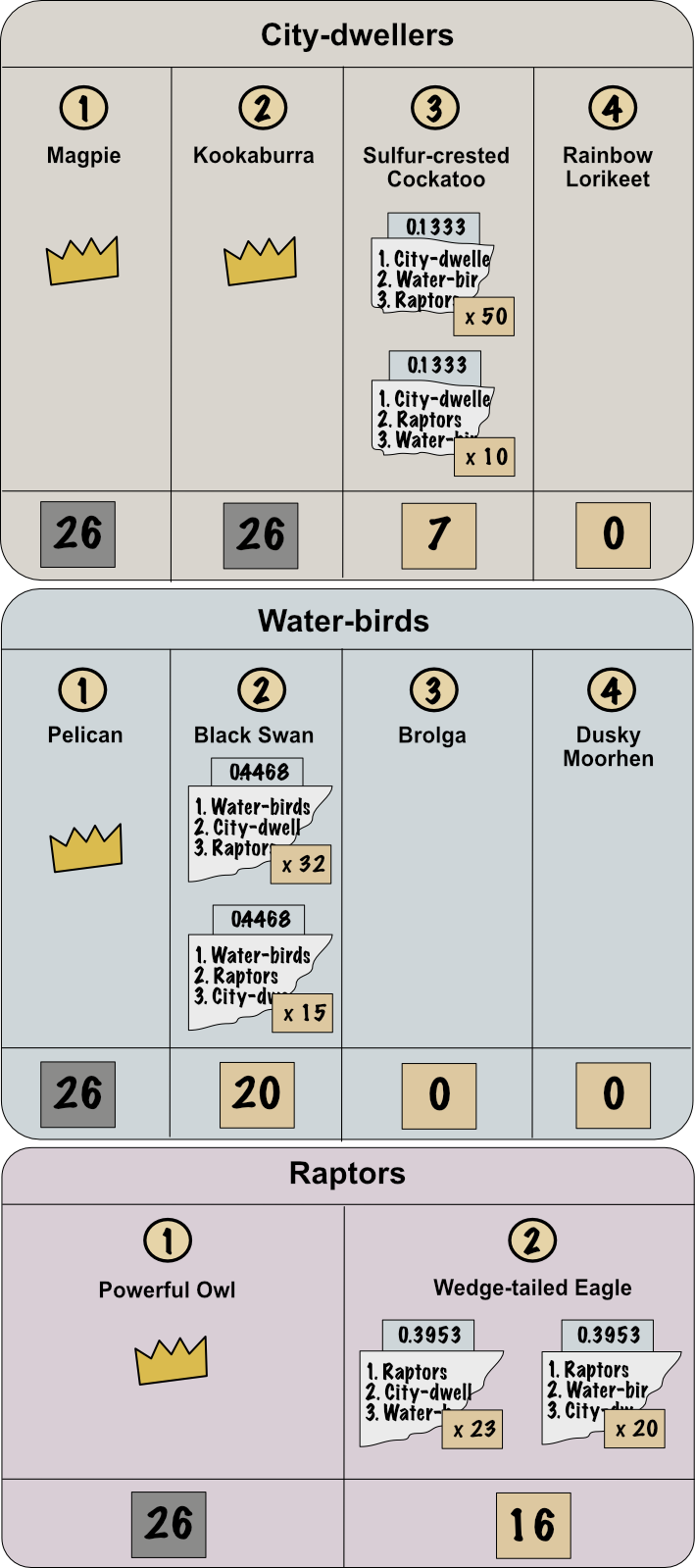
Text-based description of candidate tallies
There are now 60 ballots in the Sulfur-crested Cockatoo's tally pile with a total value of 8 votes. The Sulfur-crested Cockatoo now owns the 50 ballots ranking the City-dwellers first, the Water-birds second and the Raptors third, and the 10 ballots ranking the City-dwellers first, the Raptors second, and the Water-birds third.
There are still 47 ballots in the Black Swan's tally pile with a total value of 21 votes. The Black Swan now owns the 32 ballots ranking the Water-birds first, the City-dwellers second, and the Raptors third, as well as the 15 ballots ranking the Water-birds first, the Raptors second, and the City-dwellers third.
The Magpie, Pelican, Powerful Owl and the Kookaburra have been seated. The Rainbow Lorikeet, Brolga, and Dusky Moorhen all have 0 votes with no ballots in their tally piles.
We now have one seat left to fill, but no candidates with a quota in their tally, apart from the ones that we have already seated!
We can now move on to Step Three of the counting process.
Step Three: Removing Candidates
If no candidate has a tally that is equal to or greater than a quota, remove the candidate with the smallest tally.
All ballots in this candidate's tally pile are given to their next most preferred eligible candidate at their current value.
There are three candidates with the smallest tally of 0 votes. How do we know which candidate should be removed?
Removing the Lorikeet, Brolga, and Moorhen
We repeat Step Three three times, removing the Rainbow Lorikeet, Brolga, and Dusky Moorhen. As these candidates have no votes, removing them doesn't change anyone else's tally.
So, whichever tie breaking rule is used, we get to the following situation.
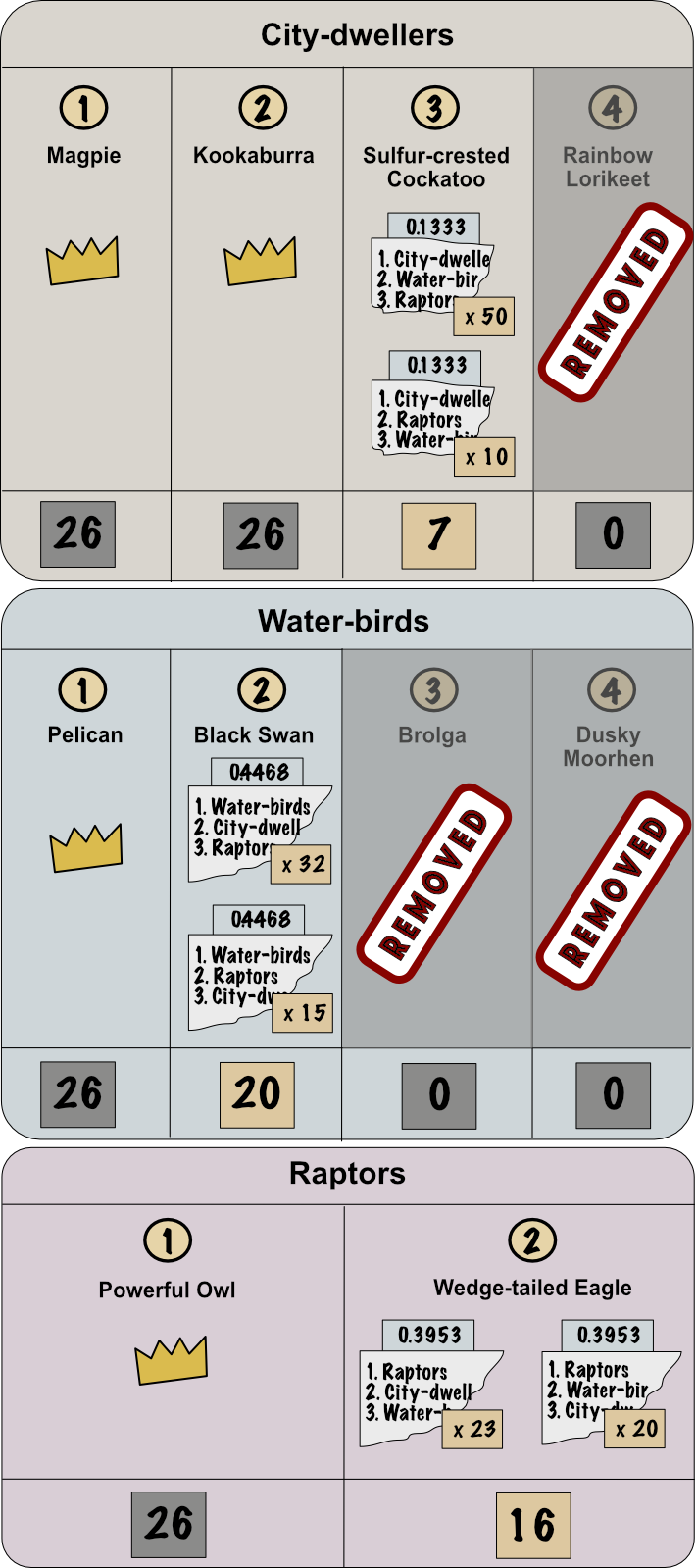
The Sulfur-crested Cockatoo, Black Swan and the Wedge-tailed Eagle are now the only candidates remaining, and we have one seat to fill. The tally piles of these candidates have not changed.
The Sulfur-crested Cockatoo still has 60 ballots in their tally pile with a total value of 8 votes, the Black Swan has 47 ballots in their pile with a total value of 21 votes, and the Wedge-tailed Eagle has 43 ballots in their pile with a total value of 17 votes.
As none of these remaining candidates has a quota, we can't perform Step Two. So, we need to keep repeating Step Three until either only one candidate is left, or one of the candidates gets a quota.
Removing the Sulfur-crested Cockatoo
The Sulfur-crested Cockatoo has the smallest tally at 8 votes, and so they will be removed from the contest.
Let's have a look at the ballots in the Sulfur-crested Cockatoo's tally pile.
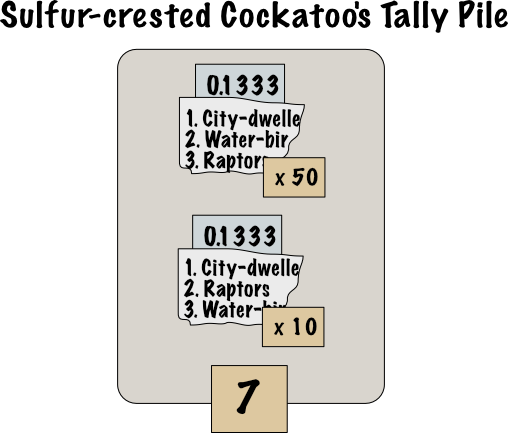
The next most preferred candidate on all the Sulfur-crested Cockatoo's ballots is the Rainbow Lorikeet. But the Rainbow Lorikeet is no longer in the contest! We need to work our way down the preference list until we find a candidate that is still in the contest, and has not already been seated.
For the 50 ballots ranking the Water-birds party second, the next most preferred candidate who is still around is the Black Swan. So, these ballots go to the Black Swan, retaining their value of 860 each.
For the 10 ballots ranking the Raptors party second, the next most preferred candidate who is still around is the Wedge-tailed Eagle. So, these ballots go to the Wedge-tailed Eagle retaining their value of 860 each. The 10 ballots are worth 10 × 860 = 8060 (≈ 1.3333) votes, so the Eagle's tally goes up by 1.
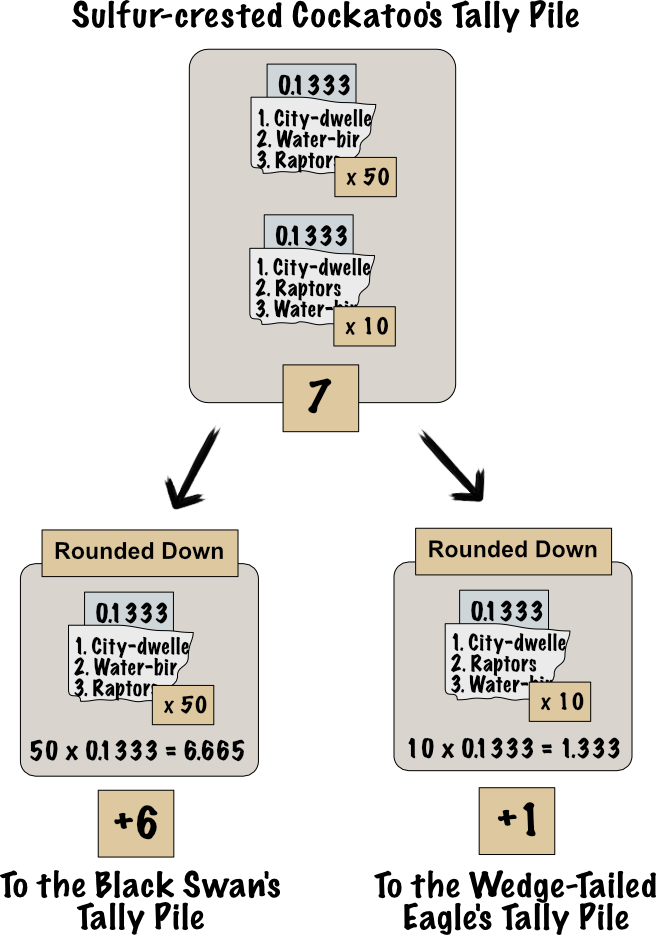
Now let's look at the tally piles of the two remaining candidates, the Black Swan and the Wedge-tailed Eagle, after the Sulfur-crested Cockatoo was removed.
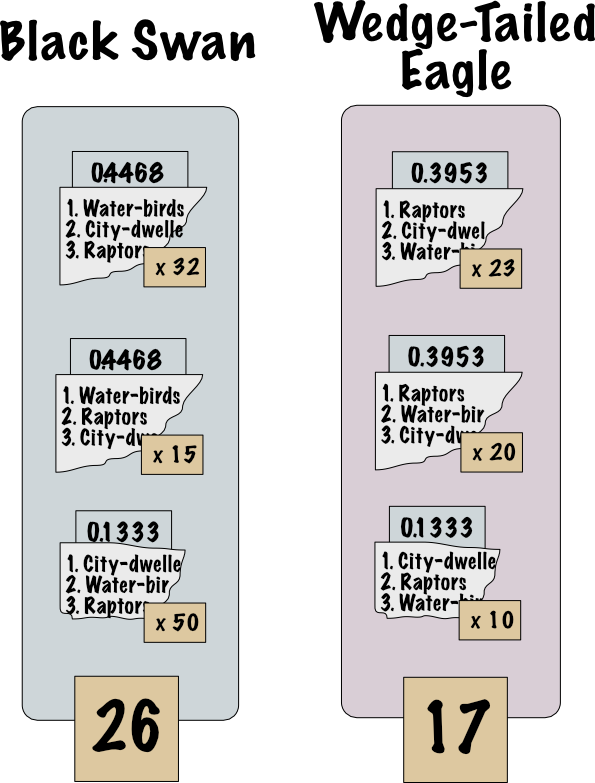
We now have a candidate that has reached the quota!
(Back to) Step Two: Seating the Black Swan
We elect the Black Swan to the last seat. As there are no more seats to fill, the counting process stops.
Summarising the Steps
To find the winners of a Single Transferable Vote election we repeat the steps of electing candidates when they have a quota, and removing candidates when no one has a quota.
We start with Step One: Initial Tallies, below, working out the starting tallies of all our candidates.
Step One: Initial Tallies
Give each ballot containing a below the line vote to the candidate who is ranked first on the ballot, with a number '1' in their box.
Give each ballot containing an above the line vote to the first listed candidate in the party that has been ranked first on the ballot, with a number '1' in its box.
Each ballot is worth one vote, and the number of ballots in a candidate's tally pile is their initial tally.
Then, if any candidates already have a quota, we repeat Step Two: Seating until there are no remaining candidates with a quota in their tally.
Step Two: Seating
Seat all candidates whose tallies are equal to or greater than the quota. These candidates are winners.
Adjust the value of the ballots in each winners' tally pile, and give those ballots, with their new values, to the next highest ranked eligible candidate on the ballot.
A candidate is eligible to receive votes if they have not been seated or removed from the contest, and their tally is less than the quota.
We repeat Step Three: Removing Candidates until either one of the candidates still in the contest gets a quota, or we reach a point where the number of candidates left equals the number of seats we have to fill. In this case, all the remaining candidates get a seat.
Step Three: Removing Candidates
If no candidate has a tally that is equal to or greater than a quota, remove the candidate with the smallest tally.
All ballots in this candidate's tally pile are given to their next most preferred eligible candidate at their current value.